Your Journey into Beekeeping
The Rewarding Journey
Becoming a beekeeper is a rewarding journey that blends environmental stewardship with a fascinating study of insect biology. At its core, beekeeping is about more than just harvesting honey; it is a commitment to supporting one of nature's most vital pollinators.
Most beginners start by researching the local regulations in their area and joining a beekeeping association, which provides invaluable mentorship and hands-on experience before the first hive even arrives.
Getting Started with Gear
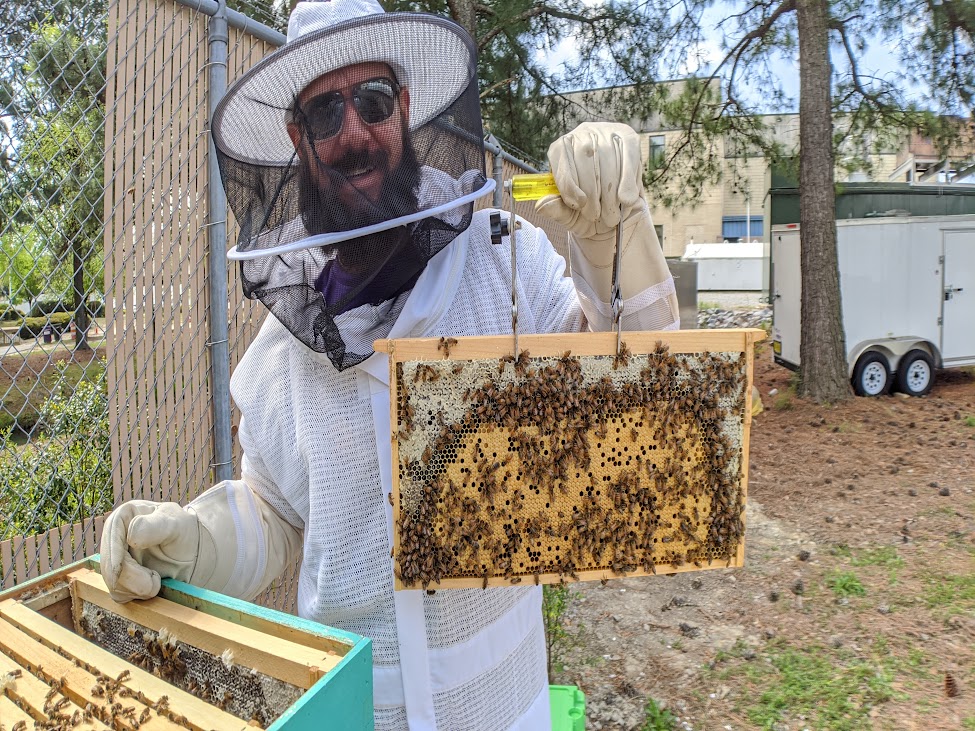
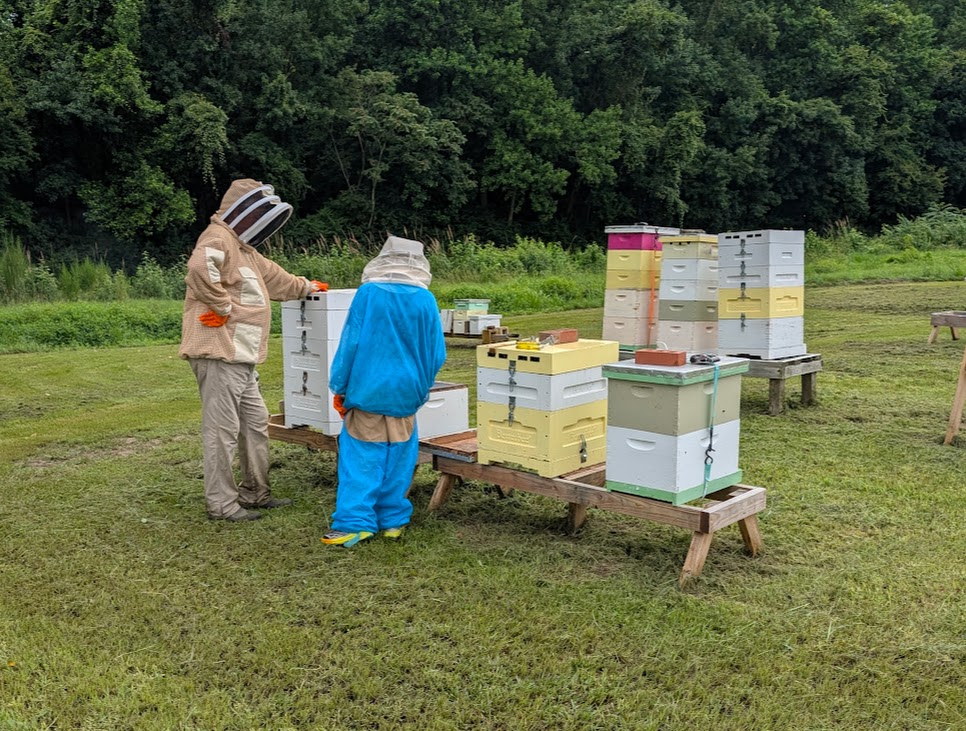
To begin your first colony, you will need to invest in essential protective clothing and specialized tools. A standard setup usually includes:
- ✔ Full Bee Suit or Veil: Essential protection to prevent stings and build confidence.
- ✔ A Smoker: Used to calm the bees by masking alarm pheromones during inspections.
- ✔ Hive Tool: A versatile metal tool for prying apart frames stuck together with propolis (bee glue).
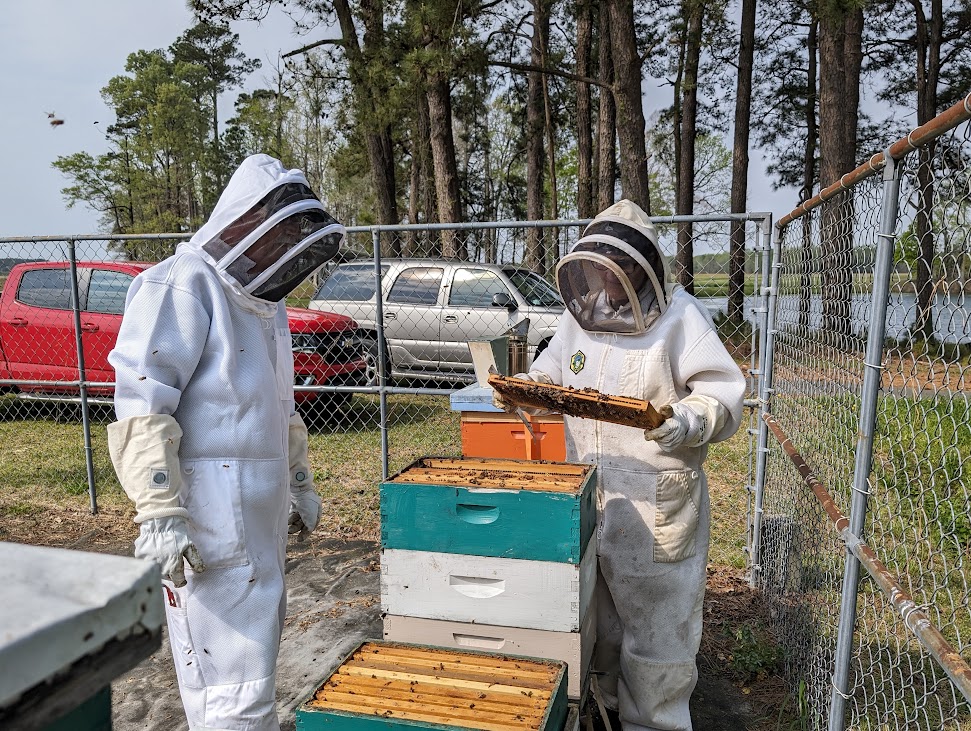
- ✔ Langstroth Hive: The industry standard structure that allows for easy expansion and honey extraction.
Managing the Hive
Once your bees arrive—typically as a "package" or a "nuc" (a small, established colony)—the real work of observation begins.
Beekeeping follows the rhythm of the seasons:
Spring: Expansion and preventing swarms.
Summer: Monitoring honey production and pests.
Autumn: Ensuring enough food and health treatments for winter.
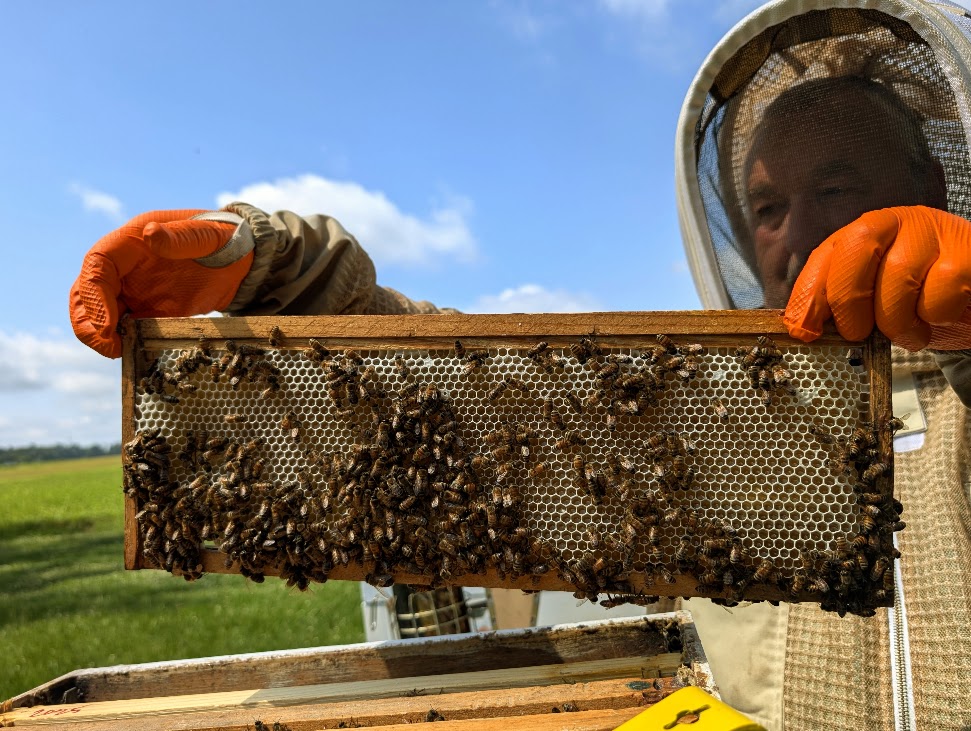
Success requires patience, persistence, and a keen eye for the health of the queen and the brood.