How You Can Help the Bees
You don’t have to be a beekeeper to help honey bees and native pollinators. You can change a few habits around your yard. A well-manicured lawn of rich green grass, beauty bark, and a few flowers may look nice to you, but from a bee’s perspective, it is a desert with little food or nutrition.
Honeybees Need Weeds
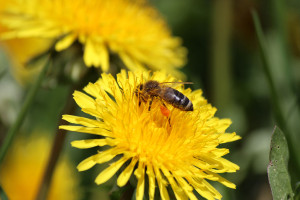
Honeybees live all year round. They do not hibernate. When the weather is bad or flowers aren’t blooming, they live inside the hive eating stored food (honey for carbohydrates and pollen for protein).
A colony needs about 45 pounds of stored honey to live from November to March in Eastern North Carolina. To store that much food, in addition to the hundreds of pounds they eat all year, they need access to every available nectar source.
When controlling "weeds," please consider hand removal before spraying.
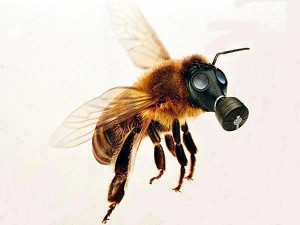
Research has shown that herbicide and pesticide residues build up in honeycomb wax and can become toxic to a colony within 3 to 5 years. Chemicals drift to the hive during application and are brought back by foraging bees.
If you must spray:
- Read all instructions carefully; do not over-spray.
- Use the lowest effective dosage.
- Never apply sprays when flowers are in bloom.
- Spray early morning or late evening when wind is low.
- If you remove a major food source, please consider replacing it.
Create An Oasis
As you plan your garden, try creating a better habitat for bees and native pollinators. You’ll have healthier plants and more fruits and vegetables.
- Use Native Plants: They are hardier and require less maintenance in our NC climate.
- Plant Food: Fruits, vegetables, and herbs provide you food and bees nectar.
- Diversify Bloom Times: Ensure something is blooming from early spring through late fall.
Manage Pesticide Use
It may be hard to completely avoid pesticides, but we can be smarter about how we use them:
- Avoid “Broad Spectrum”: These indiscriminately kill all insects, including the good ones.
- Use Targeted Pesticides: Focus only on the specific problem pest.
- Time Your Application: Apply early morning or late evening when bees are not active.
- Encourage Natural Predators: Ladybugs eat aphids, mites, and scale insects.
Go for balance. A healthy garden will have an entire ecosystem of critters that keep things under control.
Top Pollinator Plants for Our Area
| Plant Name | Type | Bloom Season | Benefit |
|---|---|---|---|
| Red Maple | Native | Late Winter (Feb) | The "Emergency Start"—provides vital early pollen for brood rearing. |
| Dandelion | Wild / Naturalized | Early Spring | Crucial early nectar and pollen when few other flowers are open. |
| Tulip Poplar | Native | Late Spring (May) | The "Money Crop"—the primary source of nectar for NC honey. |
| Purple Coneflower (Echinacea) | Native | Summer | Major nectar source for bees/butterflies. |
| Joe-Pye Weed | Native | Late Summer/Fall | Massive bloom clusters; a bee favorite. |
| Goldenrod (Solidago) | Native | Fall | Critical for winter food storage. |
| Lavender | Non-Native | Spring/Summer | High nectar concentration; drought tolerant. |
| Vitex (Chaste Tree) | Non-Native | Summer | The "Summer Lilac"—extremely attractive to bees. |
| Zinnia | Non-Native | Summer | Easy to grow from seed; great for beginners. |
Note: When buying plants, ask for "Untreated" or "Neonicotinoid-Free" varieties to ensure they are safe for visiting bees.
SPRAY
Be a Life-Saver: Skip the Weed Killer
Early spring blooms like Dandelions and Henbit are the first meals available to our bees after a long winter. Before you reach for the herbicide, remember: a "perfect" lawn is a hungry lawn for pollinators. Wait until the trees are in full bloom (late April) before considering any lawn treatments.